From Mumbai to Manchester: How Indian street food came to the UK
The British love affair with spice is a long-standing romance, but the evolution of Indian street food in this country has started to undergo a bit of a glow-up. For years, our appreciation for Indian cuisine was built on the foundation of the beloved high-street curry house, a British fave that has seen us through many a late night and celebratory Sunday.
But lately, there seems to be more planning behind the question, “Do you want to get an Indian takeout?” We’ve moved away from the heavy, slow-cooked pots of the past and headed straight for the super-flavourful, sun-drenched smash-and-grab energy of the roadside stalls of Varanasi or Mumbai.
So buckle up as we take you on a tour of the evolution of Indian street food in the UK. You might want to grab a snack, cause you’re probably going to be salivating by the end of this one.
The early spice trade in England
The UK’s obsession with Indian food didn’t start with the 1970s takeaway. It actually goes back hundreds of years to the 1600s, when the first waves of trade began to connect the British Isles with the vibrant markets of the subcontinent.
Back then, spice was a bit of a luxury rather than just a commonly used ingredient. Merchants and travellers returned from their long voyages with stories of incredible feasts and, more importantly, trunks filled with peppercorns, cinnamon, and turmeric. This early era of trade was the first time the British public was introduced to the heat of the East.
This period forever changed what the British people put on their dinner plates. By the 1700s, curry recipes began appearing in British cookbooks as people tried to recreate the magic of the spices they had discovered abroad. It was the beginning of a centuries-long obsession that would eventually lead us away from bland stews and toward the punchy, vibrant world of Indian street food.
The birth of Indian food with a British twist
Thousands of British soldiers and officials moved to India during this time. Away from the bland, boiled meats of 18th-century England, they discovered a world of flavour. They fell in love with the mixture of spices, but when they returned home to cities like London, they found they couldn’t replicate the fresh ingredients.
This led to the creation of curry powders, which are a pre-mixed, bottled attempt to capture the magic of Indian spices for the English kitchen. It was the first time Indian food became a convenience item in the UK. Dishes like Mulligatawny Soup (a British take on a spicy South Indian pepper water called rasam) became staples in posh British households. It wasn’t quite street food, but the door to Indian flavours had been kicked open.
The real turning point for Indian food in the UK was around 1810. A gentleman named Sake Dean Mahomed, opened the Hindoostanee Coffee House in George Street, London.
He wanted to offer authentic Indian dishes in a setting that felt like home. He even had hookahs for guests to smoke. But, unfortunately, he was a bit ahead of his time, and the British public wasn’t quite ready to go out specifically for spiced meats. They preferred to try to replicate the tastes in the comfort of their own homes. And for that reason, sadly, Mahomed went out of business. However, some good did come from his misfortune; he planted the seed. He proved that Indian food belonged on the British high street.
Along came the British curry house
Fast forward to the 1940s and 50s. This is when the landscape of British dining changed forever. Following the Partition of India and the independence of India and Pakistan, many migrants moved to the UK to help rebuild the country after the war.
Many of these pioneers settled in industrial hubs like Manchester, London, and various port cities. They were incredibly entrepreneurial. They noticed that British cafes and fish-and-chip shops were closing early, leaving the late-night crowd hungry.
They began buying these cafes and staying open late. To appeal to the British palate of the time, they created a hybrid menu. These menus gave us the Tikka Masala, the Korma, and the Madras that we know and love after a night out.
While these places were well-loved and an instant hit with the Brits, the food was often a far cry from what was actually being eaten back in India. It was often the same gravy sauce used for every dish, thickened with flour or heavy cream to suit a British preference for stews. The bright and punchy nature of Indian street food was still a secret kept within the community’s own homes. But that was not going to be the case for much longer.
The rise of Indian street food in the UK
As the decades passed, the British public became more well-travelled. We started heading to places like Goa and Varanasi for the holidays. We saw the Dabbawalas (basically a version of Uber Eats, found only in India) in Mumbai delivering hot lunches in stacked metal tiffins. We saw people standing on street corners in the pouring rain just to get a bowl of spicy chickpeas or a piece of fried bread.
We realised that real Indian food wasn’t heavy or over-the-top greasy. It was light. It was full of fresh herbs like coriander and mint. It used lemon and lime for acidity rather than vinegar. It was vibrant.
People in cities like Bristol and Cardiff started looking for something more authentic. They wanted the food of the Indian home kitchen, the food that grandmothers make, the food that Indian people eat in their own homes, and the food that street vendors sling into newspaper cones.
The journey across the country
The realisation is the main reason we’ve seen a massive surge in Indian street food across the UK. It started in the big hubs, where the culture was already rich. In Manchester, for instance, the city’s no-nonsense foodies began looking beyond the famous Curry Mile for small-plate, culturally authentic dishes that hit every part of the palate at once without the need for a three-course commitment.
The revolution quickly spread south. In London, the street food scene became an absolute fan favourite, moving into markets and sleek city spots where Indian street food fit in perfectly. This wasn’t just a trend for the capital, though. The creative, artsy energy of Bristol proved to be the perfect soil for this new wave of Indian food. Bristolians, who have long valued authenticity and plant-based options, embraced lentils, chickpeas, and fresh spice blends that have been street-food staples for millennia.
Even in Cardiff, the landscape changed. The arrival of authentic, communal-style eating resonated with the city’s love for a good gathering. The idea of sharing tiffin boxes and spiced fries became a natural fit for the Welsh capital’s social scene.
Across the whole of the UK, we collectively decided that we wanted food that feels real, the kind of food a grandmother would make. And so Indian dishes have become a staple in the UK, and they are here to stay, thankfully!
What makes Indian street food different?
If you’re used to the traditional takeaway, the whole idea of Indian street food might feel like a different planet. Here’s why it’s captured the UK’s heart:
- The chat factor: Chat (or Chaat) translates literally to “to lick.” It’s food so good you’ll lick your fingers. It’s usually a base of something crunchy (like fried dough or puffed rice) topped with chutneys, yoghurt, and spices. It’s a sensory overload in the best way possible.
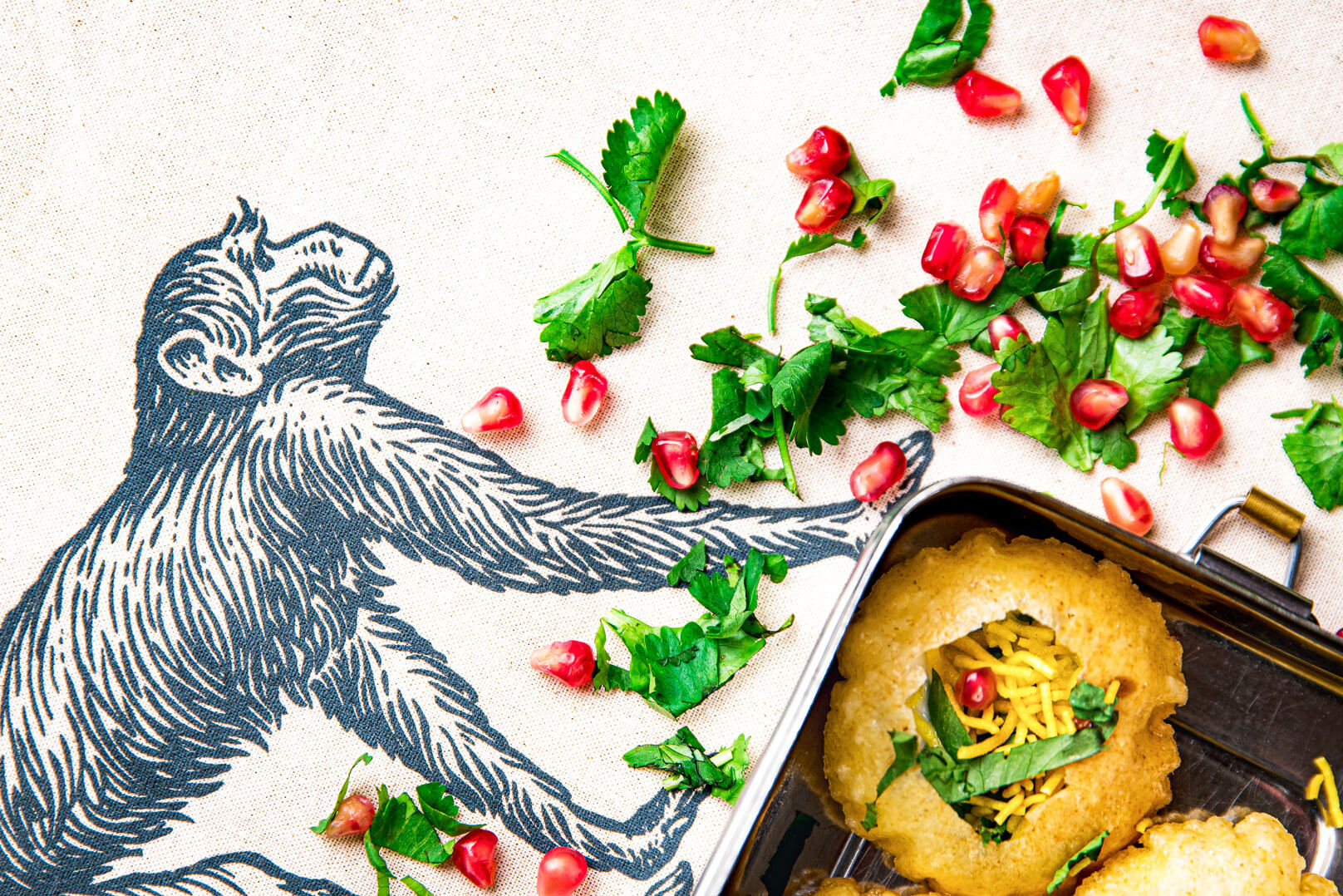
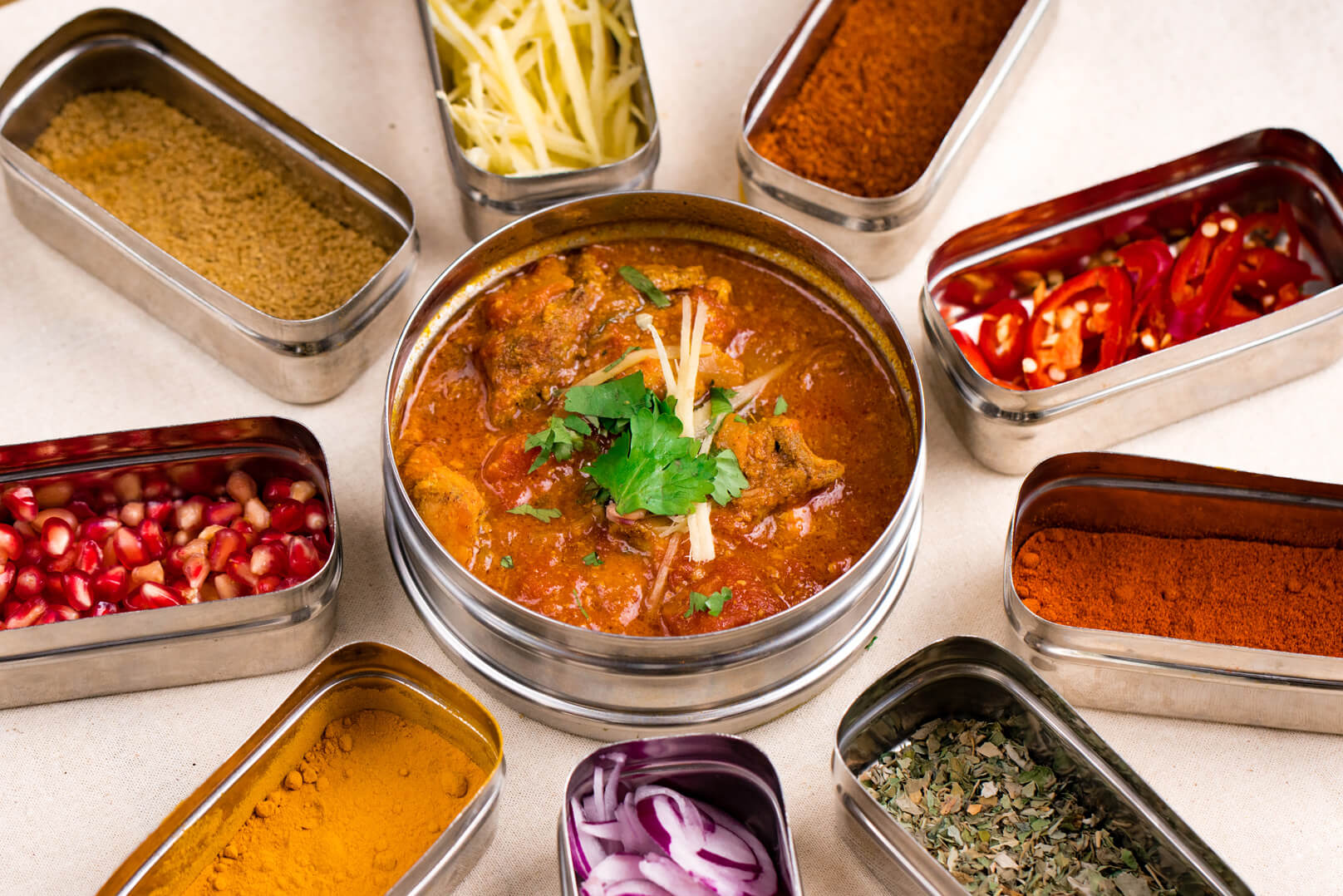
- Tiffins and traditions: In India, the Tiffin is a way of life. These stainless-steel stacked boxes deliver home-cooked meals to millions of workers every day. Bringing this concept to the UK allowed people to experience the variety and surprise that comes with a real Indian food experience.
- Light and healthier: Because it relies on fresh spices (which are essentially medicine) and fresh vegetables, Indian street food doesn’t leave you feeling like you need a three-day nap. It’s energy food.
- One sauce DOES NOT fit all: In the street food world, a potato dish doesn’t taste anything like a chicken dish. Each ingredient is treated with its own blend of spices, designed to make it sing. So no more singular gravy sauce on every dish.
From the streets of Varanasi to the British heart
The journey of Indian street food in the UK is really a story of the British public growing up. We’ve moved past wanting a simple curry and into a stage where we appreciate the nuances of a culture with one of the most sophisticated culinary histories on Earth.
We’ve learned that Indian food isn’t just one thing. It’s the seafood of the South, the hearty Dhals of the North, and the beautiful snacks of the Mumbai markets. We’ve learned that the best way to eat is often with our hands, sharing with friends, and being open to new, bold flavours.
Whether you’re grabbing a quick lunch in Newcastle or settling in for a feast in Glasgow, you’re participating in a tradition that spans continents and centuries. It’s a story of spice, of family, and of the simple joy of a perfectly cooked meal.
Experience Indian street food with Mowgli
Bet your mouth is watering after reading that. If all this talk of tamarind and tiffins has made your stomach growl, we have just the place for you. At Mowgli, our mission is to bring the smash-and-grab zing of the Indian home kitchen and the vibrant energy of the street to cities all around the UK.
Mowgli was founded back in 2014 because we were tired of the heavy, cream-laden dishes that dominated the UK’s perception of Indian food. We wanted to share the dishes that our ancestors ate, the food that real Indians cook at home.
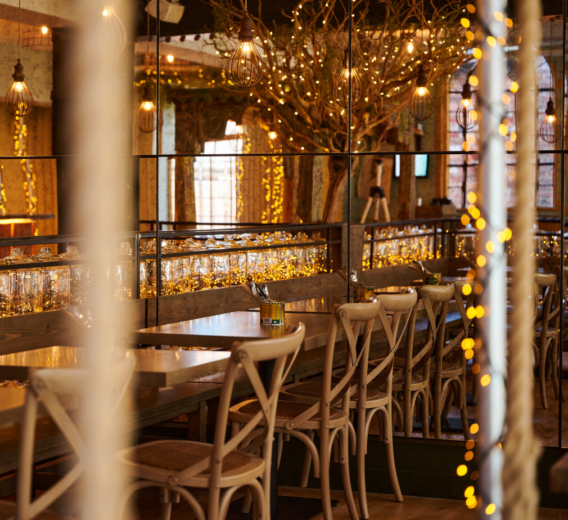
Today, you can find our restaurants in many of the major cities across the country. Our restaurants are designed to be a home away from home, complete with fairy lights, gold-roped swings, and a menu that celebrates the beauty of Indian street food.
From our iconic Yoghurt Chat Bombs to our house-made dhals and legendary Mother Butter Chicken, every dish at Mowgli is a piece of the history we’ve discussed today.
So, why not join us? Whether you’re in the heart of London or the centre of Manchester, come and pull up a swing. Let’s celebrate the incredible journey of Indian food together, one tiffin box at a time.
Book your table at Mowgli today and taste the street food revolution.