From Timeless Classics to Bold New Styles Worth Seeking Out
There are few things in the eating world more subjective than the ranking of chicken wing flavours. Everyone has a strong opinion. The buffalo loyalists. The Korean glaze devotees. The dry rub purists who will tell you that sauce is a crutch.
This is our attempt at an honest ranking — taking into account not just heat level, but complexity, balance, and most importantly, the thing that separates a forgettable wing from one you are still thinking about three days later.
How We Are Judging
A great chicken wing flavour needs to do several things at once. It needs to complement the natural richness of the chicken without masking it entirely. It needs enough acidity or contrast to stop things getting cloying. It should have some kind of development — a flavour that builds and changes as you eat, rather than hitting one note and stopping there. And ideally, it should leave you wanting one more wing even when you are already full.
With that criteria in mind, here is our ranking.
Tier One: The Greats
1. Spiced Treacle Molasses Glaze (Sticky Wings)
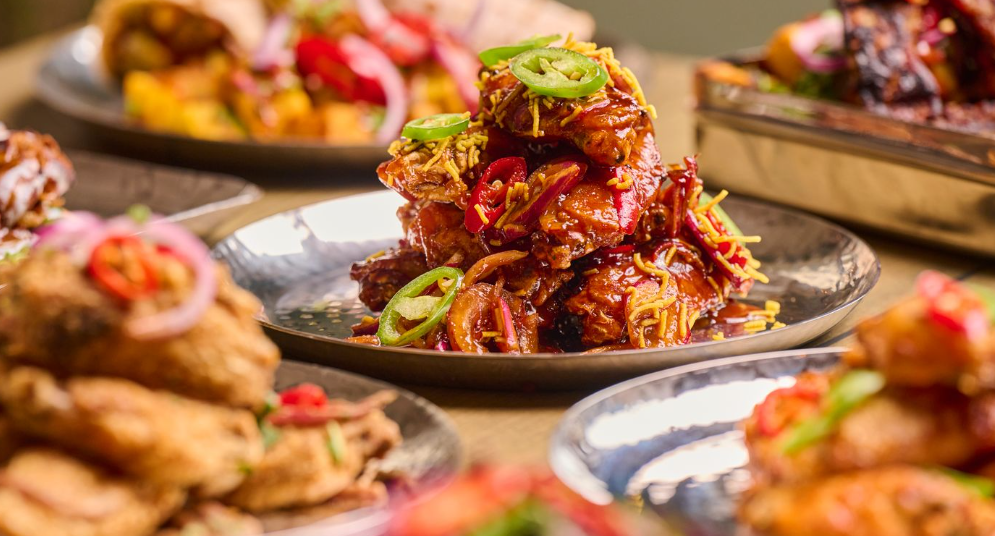
When this style of wing is done properly, it is almost impossible to stop eating. The combination of treacle and molasses creates a depth of sweetness that is nothing like the thin, sugary glazes you find on lesser wings. Layer in warming spice — think cinnamon, clove, cardamom in the background — and you have something that rewards attention. The glaze should caramelise at the edges, creating little pockets of concentrated, slightly bitter sweetness that contrast with the tender meat inside.
This style is harder to pull off than it looks, which is why genuinely great versions are worth seeking out. The margin between perfectly caramelised and burnt is narrower than with most other preparations.
2. Chat Masala Fried Wings (Gunpowder Style)
Chat masala is one of the great unsung spice blends in British food culture, despite the fact that Indian restaurants have been using it for decades. Its combination of black salt, dried mango powder, cumin, and a complex mix of other spices produces a flavour that is tangy, savoury, and deeply aromatic without relying on chilli heat to do all the work.
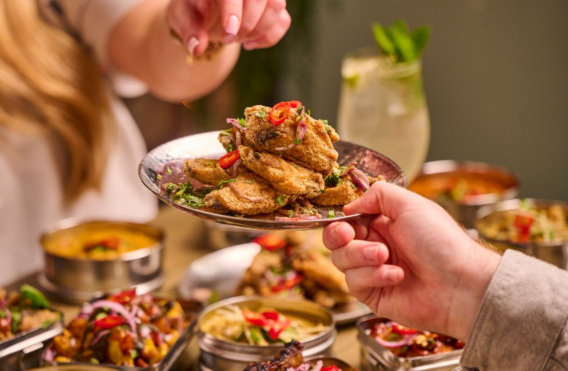
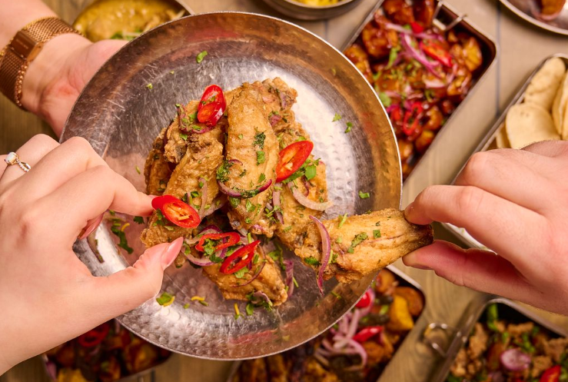
Tossed on a golden fried wing and finished with fresh coriander and red onion, this style produces something that feels distinctly different from anything in the American or Korean wing tradition. The freshness of the garnish is essential — without it, the richness of the fried chicken overwhelms everything else.
3. Korean Gochujang Glaze
Korean fried chicken has become a genuine phenomenon in the UK, and the gochujang glaze is the reason why. Gochujang — a fermented chilli paste — brings a flavour that is simultaneously sweet, spicy, and deeply umami, with a complexity that ordinary hot sauce cannot replicate. The double-frying technique used in the Korean tradition also produces a crunch that survives the glaze application better than single-fried wings.
It is hard to argue with the combination. The heat builds slowly, the sweetness prevents it from becoming aggressive, and the fermentation notes give the whole thing a depth that keeps you coming back.
Tier Two: Excellent Choices
4. Bengali-Style Chilli and Masala (Hot Wings)
This style is for people who want heat but also want the heat to mean something. Rather than the sharp, vinegary punch of buffalo sauce, Bengali-inspired hot wings build their heat through chilli and a layered masala base. The result is a slower, more persistent warmth that spreads across the palate rather than attacking one spot.
The key distinction here is that the masala underneath the heat adds flavour context. You are not just experiencing heat — you are experiencing heat alongside complex spice, which gives your brain something to process and makes the experience feel more satisfying.
5. Classic Buffalo
No ranking of chicken wing flavours would be complete without the original. Buffalo sauce — Frank’s Red Hot, butter, a splash of vinegar — is a formula that was arrived at by accident and has never been significantly improved upon. The genius is in its simplicity: the acidity of the hot sauce cuts through the fat of the butter and the richness of the fried chicken, keeping the flavour clean and moreish.
The reason it sits at number five rather than higher is that, despite its excellence, it lacks the complexity and surprise of the styles above it. There is nothing to discover as you eat. You know exactly what a buffalo wing tastes like after one bite, and while that consistency is part of its appeal, it is also its ceiling.
6. Honey Garlic
Honey garlic is the wing flavour for people who do not necessarily think of themselves as wing people. It is approachable, broadly appealing, and reliably pleasant. The sweetness of the honey softens the pungency of the garlic, and the result is a flavour that pairs well with almost any dipping sauce.
Its accessibility is both its strength and its weakness. It will never be the most exciting thing on a menu, but it provides a useful contrast when ordering alongside more intense flavours.
Tier Three: Solid, but Not Surprising
7. Lemon Pepper
A dry preparation — no sauce — built on cracked black pepper, lemon zest, and salt. Lemon pepper wings are crisp, bright, and clean. They show off the quality of the wing itself because there is nowhere to hide. A great chicken wing in lemon pepper preparation is genuinely excellent. An average wing exposed the same way is exposed.
8. BBQ
The old reliable. Smoky, sweet, faintly tangy — the barbecue flavour is familiar to essentially every person who has ever attended a British summer barbecue. As a wing flavour it is comfortable and crowd-pleasing. The issue is that most BBQ sauces in restaurants are off-the-shelf products rather than something made in-house, which means the flavour rarely surprises.
Made with a properly constructed house BBQ sauce featuring real smoke flavour, dark sugar depth, and genuine acidity, this can absolutely be a tier one wing. It rarely is.
The Emerging Trends in UK Wing Flavours
Beyond the established styles, several flavour directions are worth keeping an eye on in the UK wing scene right now.
Peri-peri variants: The Portuguese-African chilli tradition has been popular in the UK for decades (thank Nando’s), and more complex interpretations using fresh peri-peri peppers and citrus are starting to appear in independent restaurants.
Miso and soy glazes: Drawing on Japanese umami traditions, these wings have a deeply savoury, slightly caramel quality that is different from both Korean and American styles.
Tamarind and date: Common in South Asian chutneys, this combination brings a sweet-sour depth that works beautifully as a wing glaze.
Berbere-spiced wings: Ethiopian spice blends have been gaining traction in UK restaurants, and berbere — with its complex combination of chilli, fenugreek, and aromatic spices — translates well to wings.
Pairing Your Wings: What to Drink
A wing that is well-matched with a drink is a better wing. Here are the broad principles.
For sticky, sweet glazes: You want something with enough acidity to cut through the richness. A spritz — elderflower, prosecco, citrus — works beautifully. The bubbles help too.
For spiced, dry-rub styles: Lighter lagers and pale ales complement rather than compete. You want something that refreshes the palate between bites rather than adding more flavour.
For hot wings: Dairy-based drinks — lassi, mango lassi, even milk-based cocktails — genuinely help with sustained chilli heat. The casein in dairy neutralises capsaicin in a way that water simply cannot.
For buffalo or vinegar-forward sauces: A cocktail with a bitter or spirit-forward note — a Negroni, for instance — holds up well against the acidity of buffalo-style wings.
How to Order Wings at a Restaurant: A Brief Guide
If you are new to ordering wings or visiting a restaurant with an extensive wing menu, a few principles will serve you well.
Start by ordering a range of flavours rather than a single style. The experience of moving between a sticky glaze and a spiced dry preparation and back again is much more interesting than eating twenty wings in the same flavour.
Ask about heat levels honestly. Many restaurants use heat scales but the calibration varies wildly. A five out of ten at one place is a two out of ten elsewhere. If you are uncertain, ask the staff what the heat actually feels like rather than relying on the number.
Order your wings as soon as possible after sitting down. Wings hold less well than most dishes — the crispness of fried skin deteriorates as it sits. Wings that arrive at the table and are eaten immediately are noticeably better than wings that have been waiting on a pass for ten minutes.
Ready to try some of the most exciting chicken wings in the UK?
Mowgli Street Food has just launched three new wing flavours across all UK restaurants — Sticky Wings, Gunpowder Wings, and Bengali Hot Wings. Book your table